

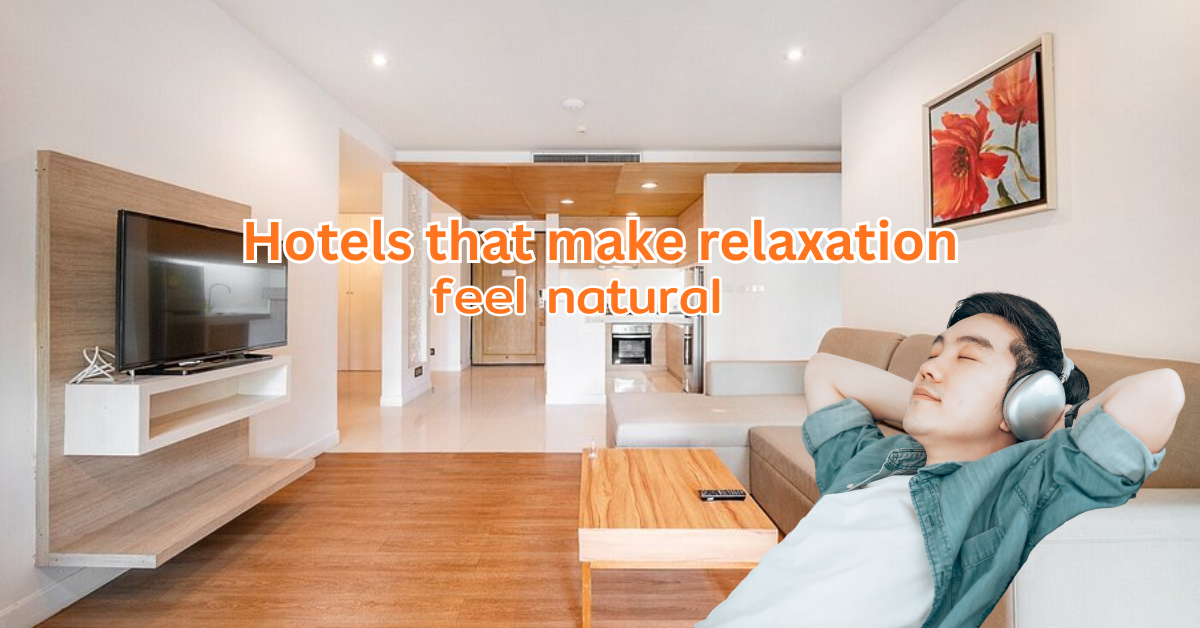
Rest shouldn’t require too much effort. A truly great hotel isn’t just beautiful or fully equipped — it makes guests feel relaxed automatically, from the very first moment they walk in. This article explores what kinds of hotels make relaxation happen naturally, drawing on real guest experiences, international hotel standards, and modern traveler behavior.
Why “Natural Relaxation” Matters to Today’s Travelers
Surveys of traveler behavior after 2022 found that over 70% of travelers prioritize relaxation over rushed sightseeing. This trend is especially clear among working-age tourists (25–45), digital nomads, families seeking quality time together, and couples looking for calm over excitement.
Hotels that make relaxation happen on its own have become a top choice — so what actually creates effortless relaxation?
1. Location That Reduces Stress Before You Even Check In
Hotels that promote natural relaxation tend to be in locations that aren’t too hectic, are easy to reach, and are close to nature or open views. A hotel by the sea, a mountain, or a green garden — just opening the window and seeing a natural view causes the body to automatically lower its stress levels. Environmental psychology research confirms that seeing green spaces or the ocean genuinely reduces stress hormone levels.
2. Design That Doesn’t Try Too Hard
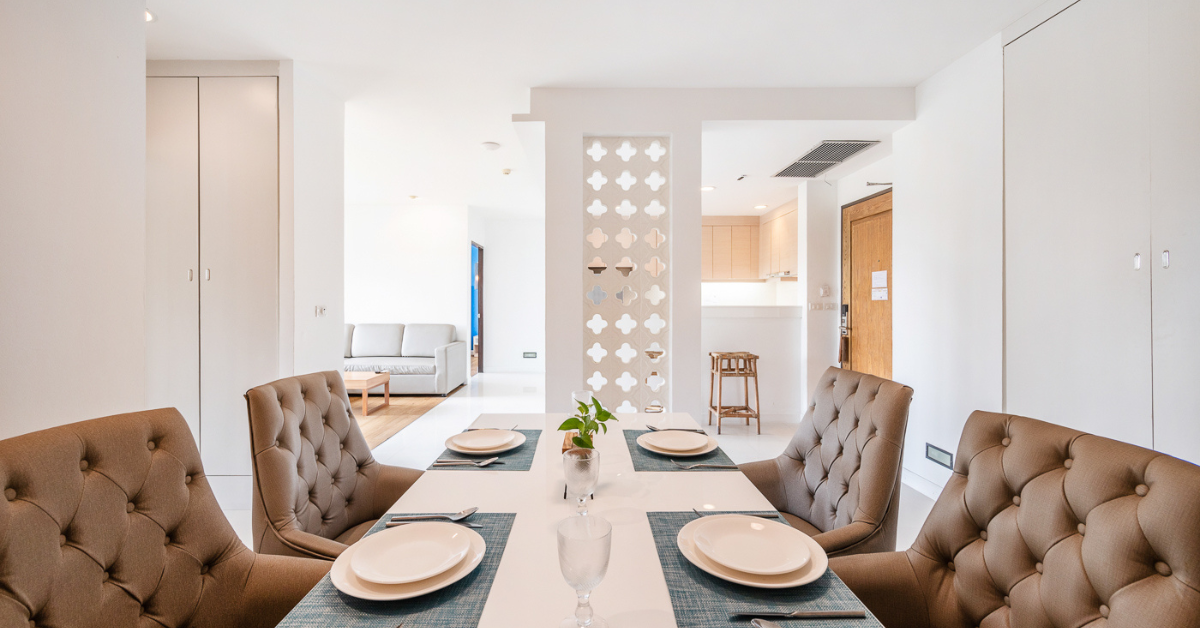
Some hotels are decorated so lavishly they actually make guests feel tense. Hotels that enable natural relaxation typically feature warm or earth tones, good natural light, uncluttered space, and minimal outside noise. Minimal design isn’t just a trend — it’s an approach that helps the brain feel safe. Open layouts, high ceilings, and large windows all have a greater impact on relaxation than most people realize.
3. Service That Doesn’t Intrude — But Is Always Ready
Relaxation disappears the moment guests feel watched or constantly interrupted. Good hotels offer fast check-in, clear information, no unnecessary calls, and immediate responses when guests actually need help. Great service isn’t about doing a lot — it’s about doing just enough. Guests shouldn’t have to think too hard, chase things down, or worry.
4. Rooms Designed for Real Sleep
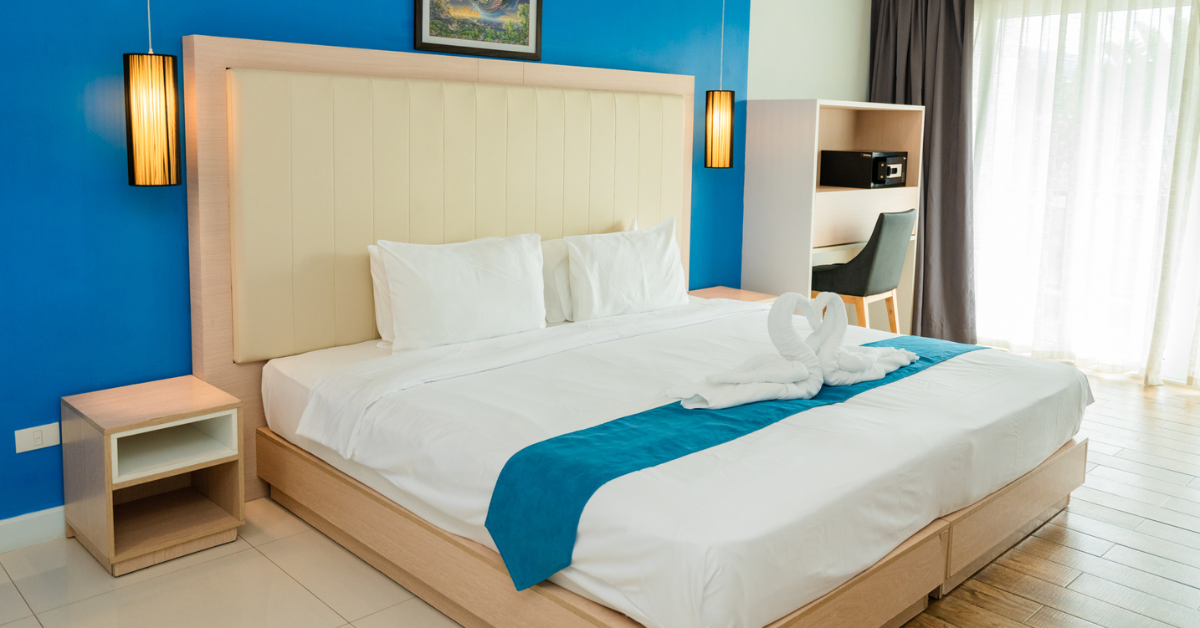
Many people choose hotels based on photos, but what matters most is sleep quality. Hotels that deliver effortless rest need quality mattresses, pillows at various firmness levels, blackout curtains, quiet air conditioning, and solid soundproofing. Industry surveys show that over 80% of positive reviews relate to sleep quality — because ultimately, true rest begins with a good night’s sleep.
5. Common Areas Without Pressure
Pools, lobbies, gardens, cafés — hotels that feel relaxing design their shared spaces to be easy to use, uncrowded, and accessible without needing to dress up. A friendly, welcoming atmosphere makes guests feel like the space truly belongs to them.
6. Sound, Scent, and Atmosphere That Affect Mood
Many people don’t notice it, but sound and scent have a significant impact. Hotels that create relaxation well tend to play soft background music, use light pleasant scents, and actively control noise. The human brain responds to scent rapidly — a pleasant smell can instantly create positive associations.
7. Genuine Privacy
“Privacy” doesn’t just mean a door that closes. It means no disturbance from neighboring rooms, no queuing for everything, and not having to compete for pool space. Hotels that manage their room count appropriately create a noticeably different experience.
8. Cleanliness That Brings Peace of Mind
Since the pandemic, cleanliness is no longer just about appearances — it’s a primary booking factor. Good hotels maintain clear cleaning standards, genuinely clean common areas, and odor-free bathrooms. When guests feel safe, the body relaxes automatically.
9. Simple Booking and Communication
Stress can begin before the trip, if booking is complicated. Good hotels have easy-to-use websites, transparent pricing, no hidden fees, and are easy to contact. A great experience starts at the very first step.

10. Alignment With the Guest’s Lifestyle
Hotels that make relaxation feel natural understand their own guests — families need safe spaces, couples need privacy, remote workers need reliable Wi-Fi. When a hotel understands its guests, guests feel like “this place was made for me.”
FAQ: Hotels That Make Relaxation Feel Natural
Q: What makes a hotel truly relaxing, beyond just being beautiful?
A: A genuinely relaxing hotel combines multiple elements working together — a stress-free location, uncluttered design, unobtrusive service, rooms where you actually sleep well, and cleanliness that makes guests feel safe. Luxury alone isn’t enough.
Q: How does a hotel’s location affect relaxation?
A: Locations near nature — the sea, mountains, or green gardens — have been shown to genuinely reduce stress hormone levels. Environmental psychology confirms that simply opening a window to a natural view can trigger the body to relax automatically.
Q: What kind of design promotes effortless relaxation?
A: Warm or earth tones, good natural light, uncluttered space, and minimal noise all help the brain feel safe. Open layouts, high ceilings, and large windows have a greater impact on relaxation than most guests realize. Overly lavish décor can actually have the opposite effect.
Q: What does good hotel service look like for guests who want to rest?
A: The best service is “just right” — fast check-in, clear information, no unnecessary interruptions, but an immediate response whenever a guest actually needs help. Great service means guests never have to think too hard or chase anything down.
Summary: A Great Hotel Makes You Stop Trying to Relax
A hotel that makes rest feel natural doesn’t achieve this through luxury alone. It comes from a location that eases tension, thoughtful design, just-right service, rooms where you actually sleep well, and genuine cleanliness and privacy. When all these elements work together, guests relax without even thinking about it — and that is the heart of hotels that make relaxation feel natural.