

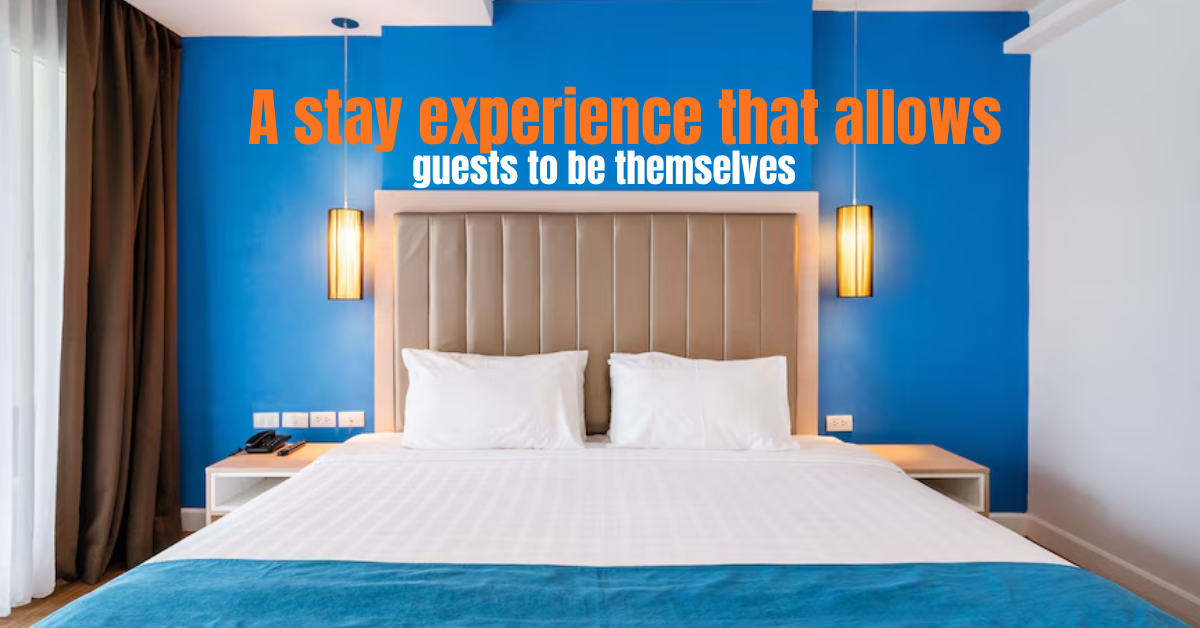
Choosing accommodation today is no longer just about beds or location. Many guests are looking for spaces where they can feel “completely themselves” from the moment they step in—places where they don’t have to force anything, feel tense, or try to be someone else. This article summarizes the concept of hospitality experiences that allow guests to live their own way, along with practical approaches that accommodations can implement. It covers guest experience, service quality, and perspectives based on Google’s E-E-A-T principles.
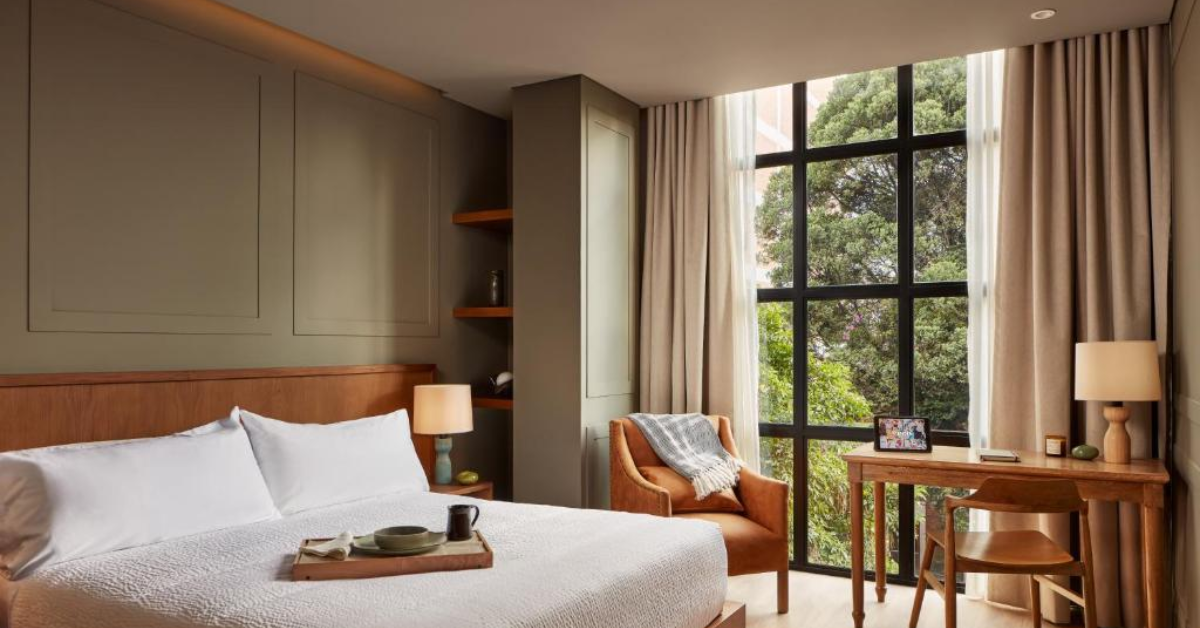
Why “Being Yourself” Matters in Hospitality Experience
Guest behavior has changed significantly in recent years. According to experiential tourism reports, over 60% of travelers rate “feeling comfortable and natural” higher than luxury amenities.
What guests value:
- Pressure-free spaces
- Service that isn’t overly formal
- Private corners to spend time as they wish
- Unhurried atmospheres
- Staff they can talk to like friends
When guests feel relaxed, they spend more time in the space, use more services, and are more likely to return.
What a Truly Good Stay Experience Means
A good stay experience isn’t just about “comfortable lodging”—it’s the complete experience from pre-booking through check-in, stay, and post-checkout.
Key Components:
1. Feeling Natural
Guests don’t have to overly adapt to the place.
Practical examples:
- Informal work spaces
- Quiet reading corners
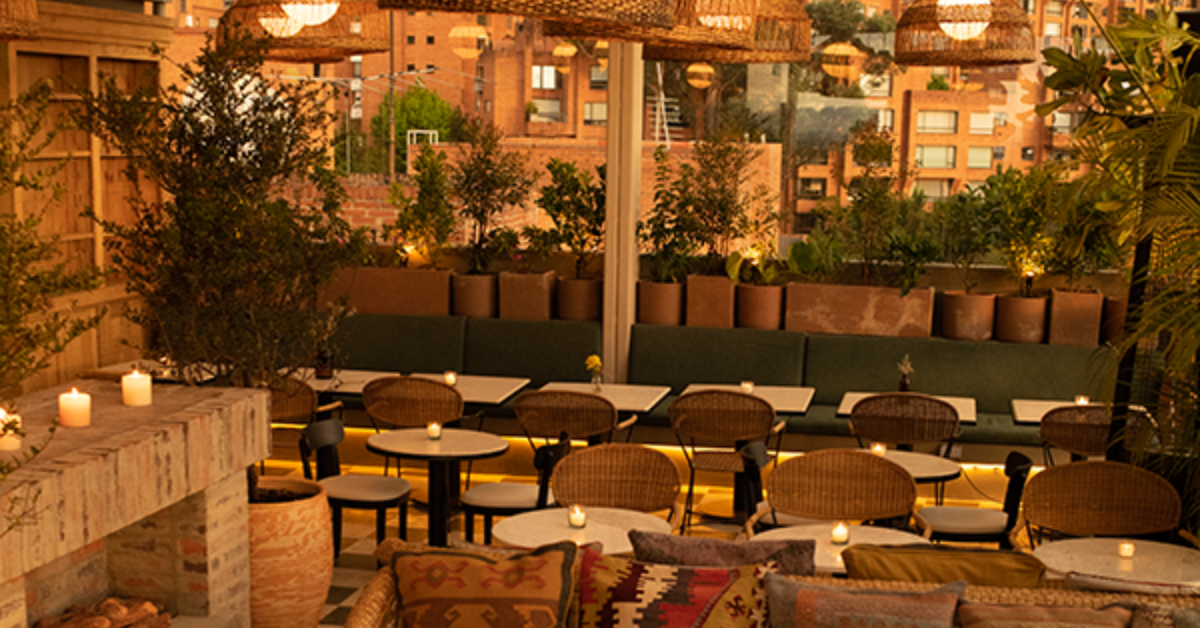
- Casual lounges or coffee areas
- Flexible use of spaces
2. Comfort in Using Services
Guests don’t have to guess procedures or fear making mistakes.
How to achieve this:
- Clear signage
- Easy-to-read room guides
- Multiple channels to contact staff
- Quick chat responses within minutes
3. Customizable Privacy
Some guests want to chat, others prefer quiet. Accommodations should offer choices.
Approaches:
- Clear “Do not disturb” mode
- Flexible housekeeping times
- Order extras via chat
- Self check-in options

Designing Spaces Where Guests Can Be Themselves
Design directly affects guest behavior. Research on residential space behavior shows that color tones, lighting, and furniture arrangement impact relaxation levels.
Effective Design Principles:
- Maximize natural light
- Use warm or earth tones
- Provide open space—not overcrowded
- Offer various seating options
- Include real working desks and power outlets
Real examples from hostels and boutique hotels show that adding working corners to rooms clearly increases positive reviews about “convenience.”
Service That Makes Guests Feel Like Themselves
Service doesn’t always need to be formal. Many guests prefer human-to-human communication.
Service styles guests appreciate:
- Staff remembering guest names
- Genuine local recommendations
- Suggestions based on interests, not just sales
- Casual conversations
- Not following scripts for every sentence
Example scenario:
Instead of saying: “Please use breakfast service during designated hours” Change to: “If you wake up late, just let us know—we’ll arrange a small set for you” The response is dramatically different.
Personalization Differentiates Stay Experience from Competitors
Data from major booking platforms shows that accommodations offering personalized service based on guest identity score 15-25% higher than average in reviews.
How to Personalize Without Complexity:
- Ask travel purpose
- Ask sleep/wake times
- Ask if work or leisure trip
- Prepare room items based on responses
Example:
Fitness-oriented guest → Prepare extra drinking water → Suggest running routes → Inform when sun isn’t too strong
Content Must Reflect Real Experience
According to Google’s E-E-A-T principles, good content must demonstrate:
- Experience – Real experience
- Expertise – Specialized knowledge
- Authoritativeness – Credibility
- Trustworthiness – Reliability
How to Write Content That Meets Standards:
- Use real scenarios
- Include guest behavioral data
- Provide actionable advice
- Don’t write too broadly
- Avoid exaggerated claims
SEO Structure for Hospitality Experience Articles
To rank in search, structure should include:
Use Primary Keywords:
Example keywords:
- Hospitality experience
- Stay experience
- Comfortable atmosphere accommodation
- Accommodation that feels like home
- Guest experience hotel
Keyword Placement:
- H1 heading
- H2, H3 subheadings
- First paragraph
- Meta description
- Image alt text
- Article conclusion
Example Meta Description:
“What makes a good hospitality experience? Learn how to create stay experiences that let guests be themselves, increase satisfaction, and earn high reviews” Length: approximately 140-160 characters
Guest Reviews Are Powerful Evidence
Reviews are the clearest trust signals.
Should display:
- Real reviews
- Direct guest quotes
- Guest photos
- Stay stories
Examples of reviews that influence decisions:
- “Felt like home”
- “Didn’t need to dress formally to come down and sit”
- “Staff talk like friends”
Pre-Stay Experience Matters Too
Stay experience begins before booking.
Points requiring attention:
- Fast-loading website
- Clear room information
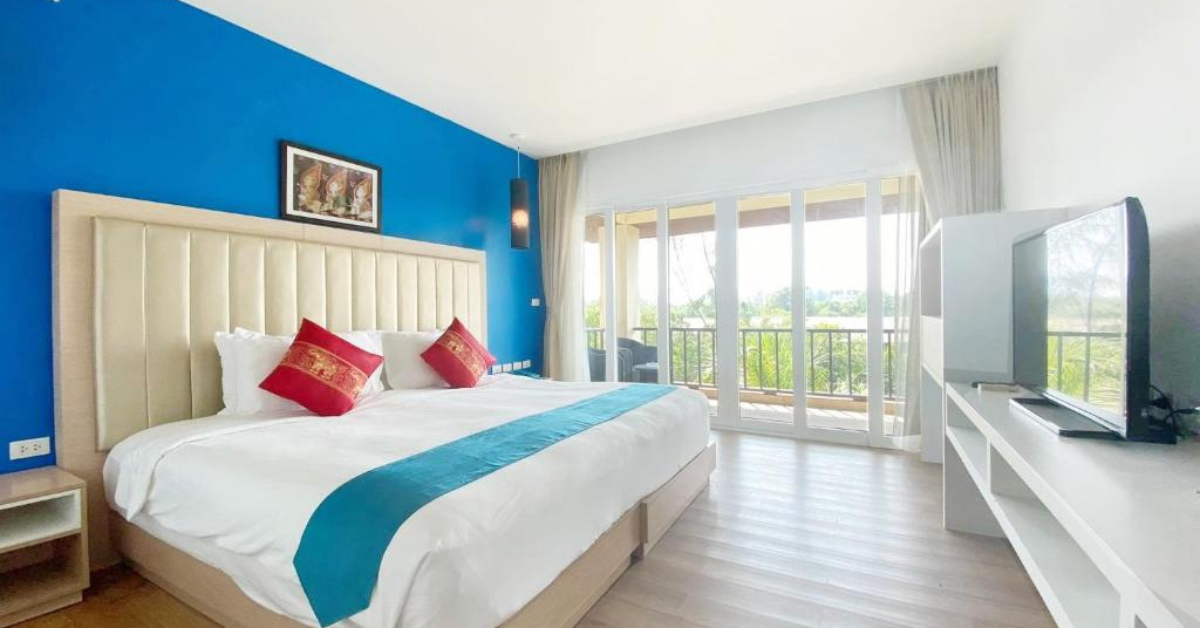
- Accurate photos
- Transparent pricing
- Quick response to questions
If guests ask via chat and wait 6 hours, the booking opportunity disappears instantly.
Post-Stay Experience Builds Loyal Customers
Post-checkout still affects memories.
Continuous engagement methods:
- Send thank you message
- Politely request reviews
- Offer discount code for next visit
- Suggest ideal times to return
Hotel marketing data shows that existing customers cost less than half to maintain compared to new customers.
FAQ: Creating Hospitality Experiences Where Guests Can Be Themselves
Q: What does “being yourself” mean in hospitality context?
A: It means guests feel comfortable and natural without having to adjust their behavior, dress formally, or act differently than they would at home. They can relax, work, or socialize in their own style without pressure or judgment.
Q: Why is this concept important for accommodations?
A: Over 60% of travelers now prioritize feeling comfortable and natural over luxury amenities. When guests feel relaxed, they spend more time at the property, use more services, and are significantly more likely to return.
Q: Does this mean lowering service standards?
A: Not at all. It means shifting from overly formal service to genuine, human interactions. Service quality remains high, but the approach becomes more flexible and personalized rather than rigid and scripted.
Q: What exactly is “stay experience”?
A: Stay experience is the complete journey from pre-booking through post-checkout—not just the time spent in the room. It includes website browsing, booking process, check-in, actual stay, check-out, and follow-up communication.
Q: What are the key components of a good stay experience?
A: Three main components:
- Feeling natural (guests don’t have to overly adapt)
- Comfort in using services (clear processes, no guessing)
- Customizable privacy (choices between social interaction and quiet time)
Summary: Creating Stay Experiences Where Guests Can Be Themselves
Simple, actionable principles:
- Design flexible spaces
- Human-to-human service
- Let guests choose how to use services
- Adapt to guest behavior
- Use content from real experience
- Display genuine reviews
- Write articles following SEO and E-E-A-T principles
When guests feel they don’t need to try being someone else, they’ll always remember that accommodation—and return on their own without hard selling.